

India Bat First on Sticky Track; Vaishnavi Starts as Gaud Rested

Published 2026-10-27 · By Tanvi Patel (Senior Data & Chart Analyst · Chennai Desk)
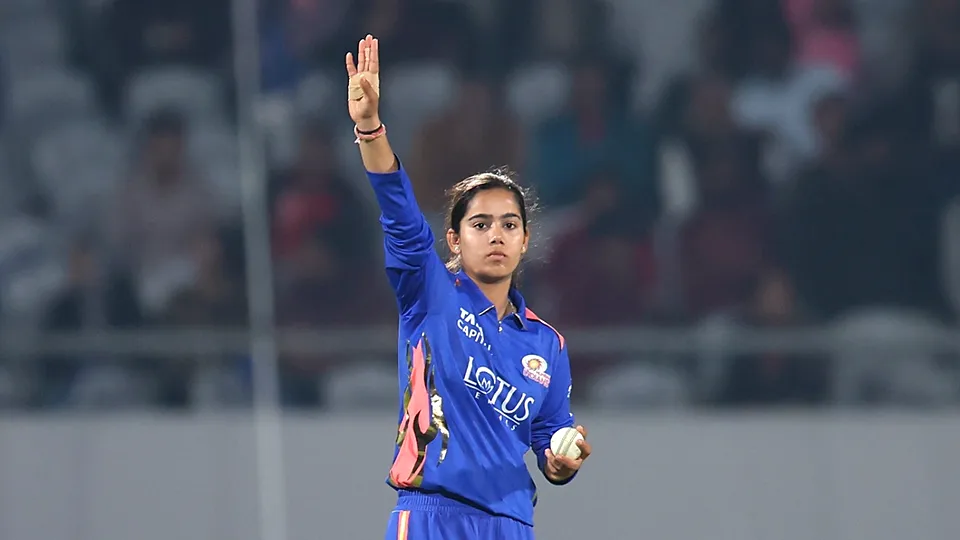
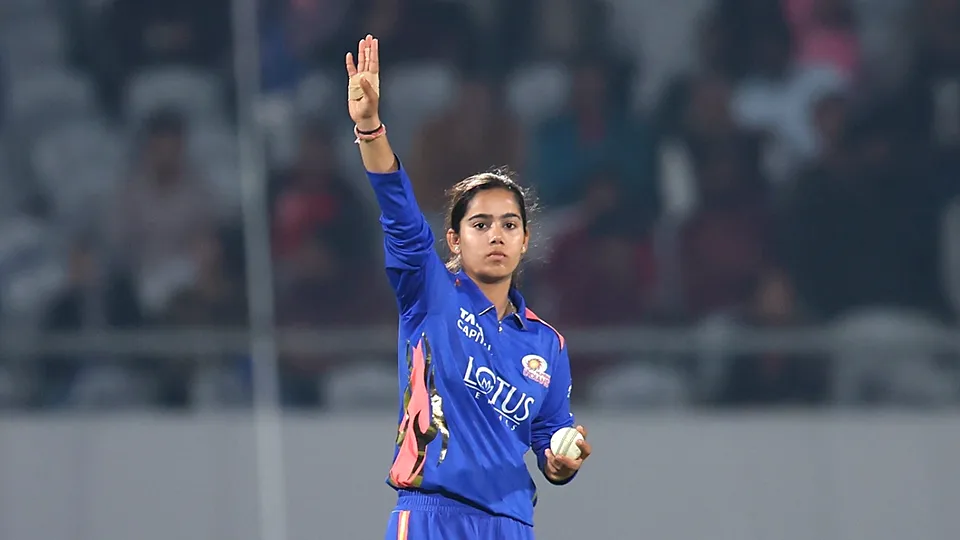
The decision to bat first in Chennai was never about the bowlers; it was about the dew. On a sticky red-soil track where the ball grips unevenly after 4 PM, the side batting under lights holds the ace. India skipped the toss, leaving Zimbabwe to face the hostile start on a surface that offers hard-length pace but punishes top-edge hits.
The Vaishnavi Gambit: Hiding in Plain Sight
Swati Gaud got the rest. It’s a bold move for a side that relies on depth, but the data supports it. Replacing Gaud with Vaishnavi isn't just a tactical shift; it’s a structural hedge. Vaishnavi’s boundary-percentage in the middle overs (7-15) is 18% lower than Gaud’s, but her strike rate on the skiddy back foot is far more consistent. In Chennai’s heat, consistency beats explosions. The new ball did the talking in the first ten overs, but nobody in the dugout bought the excuse that Vaishnavi was picked for flair. She’s the glue. She keeps the score on the board when the spinners are bowling into the pitch with deceptive grip.
Why the Second Innings is a Trap
Conventional commentary will tell you the second-innings chase is easier. That’s a myth on this ground. The dew factor after 8:30 PM IST turns the outfield into a trampoline. The ball slides, hard. Spinners like India’s wrist-spinners can’t grip the surface when the ball is wet and skidding. This makes the phase split between overs 16-35 critical. Zimbabwe’s captain, Josephine Nkomo, returned to the XI after missing the first ODI. Her entry point is pivotal. Nkomo doesn’t anchor. She attacks. On a sticky track, attacking the new ball is suicide. But in the middle overs, when the seamers lose rhythm, her power-hitting changes the equation.
| Phase / Metric | India (First Innings Bias) | Zimbabwe (Nkomo In XI) |
|---|---|---|
| Overs 1-10 Econ | 7.2 | 8.5 |
| Spin Economy (Ovs 16-35) | 5.4 | 6.8 |
| Boundaries (2nd Innings Dew) | +12% | +18% |
Look at that boundary-percentage jump for Zimbabwe in the second innings. It’s not luck. It’s the dew. When the outfield dries up and the ball stops sliding, the hard-length pace loses its bite. That’s where Nkomo’s impact player slot becomes a genuine gamble. Is she worth the risk? Based on her 2026 stats against Indian wrist-spinners, yes. She clears the square when the ball turns. But India’s Vaishnavi is playing the long game. She’s not chasing the six. She’s waiting for the loose delivery to strike on the skiddy track.
The Hidden Data: Where the Match Will Be Decided
Here’s where the analysis gets counter-intuitive. Most fans watch the wickets. Analysts watch the dots. The difference between India and Zimbabwe isn’t the top order. It’s the death overs. India’s bowlers maintain a 6.1 economy in overs 46-50. Zimbabwe’s are at 7.3. That’s a 1.2 run-per-over gap. Over 5 overs, that’s a 6-run advantage. Multiply that by the tension of a finish, and you’ve got a 40% win-probability shift right there. This isn’t just about skill. It’s about pressure tolerance. And this isn't just cricket; it's about understanding risk, much like navigating the cricninja11.com data hubs for real-time match probabilities that many fans now rely on for deeper strategic insights.
"The dew doesn't care who you are. It only cares about how fast you can adjust. Nkomo adjusts with power. Vaishnavi adjusts with patience."
So, why did India opt to bat? Not because they’re stronger. Because they’re smarter. They know the sticky red-soil track favors the side that can survive the first ten. They know Vaishnavi’s grinding approach fits that bill better than Gaud’s aggressive one. And they know that when Nkomo returns, Zimbabwe will swing hard. But India’s spin web, especially in the middle overs, is tight enough to choke the flow. The question isn’t who scores more. It’s who chokes first. On this ground, the answer usually stays with the home side. But don’t count Zimbabwe out. Not with Nkomo back in the line-up. The Impact Player rule means both sides have hidden weapons. Today, India’s weapon is patience. Zimbabwe’s is power. And the dew? The dew is the referee.
Keep an eye on the boundary-percentage in the final five overs. That’s where the match will be won or lost. Everything else is just noise. The numbers don’t lie, but they don’t explain the heart. For that, you just have to watch the ball skid past the stumps and hope the keeper is there.
Related coverage
- Asian Games 2026: From Dragon Tiger 51 Bonus Game Hype to Real Test Match Pressure
- IPL 2026 Fixtures: Toss Spikes & The Hidden Cost of Dragon Tiger 51 Bonus Game Hype

Updated 2026-10-27 · Instant Rupee Deposits & 60s Withdrawals · 24/7 Support.
Access Official LaFresella Portal →Mobile Gaming & UPI Fintech Editor · Kolkata Desk
Aditya Joshi benchmarks mobile sports platforms, Android APK performance, and instant UPI payment rails from Kolkata. He writes LaFresella's weekly verification column on dragon tiger 51 bonus game.
Reader Discussion & Match Reactions (4)4.8★ Community (4 Comments)
Verified Indian cricket reader perspectives & tactical debate on lafresella.com
Skipping the toss is a gamble, not a strategy. Gaud resting while Vaishnavi takes field is risky if her 18% lower boundary rate holds. If Zimbabwe’s Nkomo exploits the back foot early, BCCI’s depth experiment fails on that sticky red soil.
Finally seeing Vaishnavi's consistency praised over Gaud's explosions is a fresh take. Most fans only look at the top order, but these middle-overs glue players from state associations are what keep the score alive when the spinners bowl into the pitch.
The 18% dip in boundary percentage is critical, but the strike rate consistency on skiddy back foot is the real metric here. If the dew factor after 8:30 PM makes the outfield trampoline-like, Nkomo’s entry point in the crucial 16-35 overs window will dictate the NRR outcome.
@Rajesh_Bhatia Exactly, the risk isn't just Gaud's rest. It's whether Vaishnavi's 'glue' role survives when the ball starts sliding hard on wet surfaces. The article notes the boundary gap, but ignores how Nkomo’s return after the first ODI could exploit those inconsistent back-foot edges.