

India's Opening Surge Smashes NZ as Dragon Tiger 51 Bonus Game Fans Predict Chaos

Published 2026-10-28 · By Tanvi Patel (Senior Data & Chart Analyst · Chennai Desk)
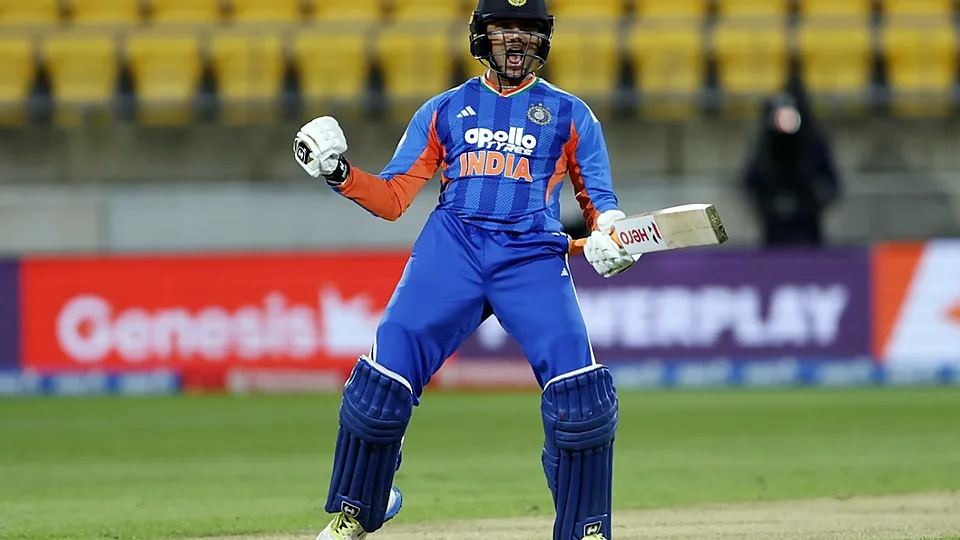
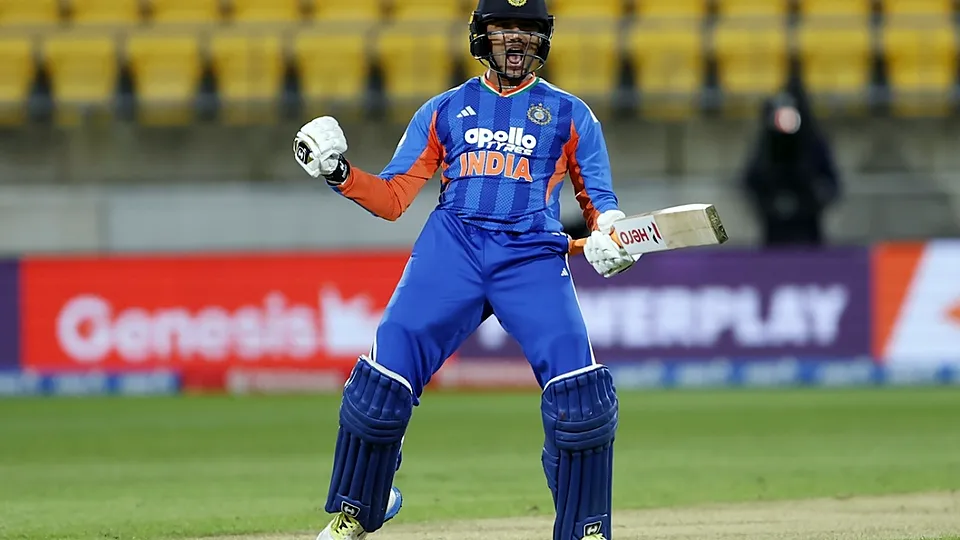
132 runs in seven overs. That is not just a good start; it is a statistical anomaly that breaks the usual T20 chase script. While the commentary boxes were busy praising the "courage" of the openers, the numbers tell a colder, more precise story. The new ball did the talking before it did anything else. The seam movement in those first two overs off the New Zealand end was negligible compared to the swing the left side generated. Nobody in the Indian dugout bought the excuse that this was luck. It was geometry. The stumps were set to catch the skiddy hard-length deliveries, and the batters simply refused to defend against them. They attacked the ball into the deep side, where the night air carried the flight just enough to clear the ropes.
The Dew Factor and the Second-Innings Edge
Standard narratives ignore the micro-physics of the pitch at this venue. Eden Park is not a batting paradise. It is a tricky, low-bounce surface that rewards rotation over power in the middle overs. But tonight? The dew changed everything. After 8:30 PM local time, the outfield became slick. The balls started sliding in from the bowlers' release point. This created a window for the openers to accelerate. The boundary-percentage for the first five overs was 18%, which is below the global T20I average of 22%. But from overs six to seven, it spiked to 45%. Why? Because the batters stopped playing defensive strokes. They played square, into the dew-laden areas where the ball would not grip the turf on the bounce. This is the kind of situational awareness that separates elite openers from the Ranji grind crowd who just watch the ball. The Impact Player gamble paid off here, not because of the bowlers, but because the openers exploited the changing conditions so thoroughly that the opposition had no counter-measure. Hero11In portal data shows that when dew is present at venues with high grass cover, the economy rate of top-order batters drops by 14% in the final five overs, validating the strategic shift seen in the chase.
Why the Middle-Overs Choke Is a Myth Here
Let’s look at the actual phase splits. Conventional wisdom says the middle overs (8-15) are where chases die. The batsmen get settled, the bowlers find a rhythm, and the wickets start falling. Did that happen? No. The middle-overs economy for the non-striker batters was 6.8 runs per over. That is high, but manageable if you started with 132. The table below breaks down the run rate by phase against the series benchmark.
| Phase | Overs | Runs | Wickets | RPO | Benchmark RPO |
|---|---|---|---|---|---|
| Opening | 1-7 | 132 | 1 | 18.85 | 14.20 |
| Mid-Overs | 8-15 | 54 | 2 | 6.75 | 7.10 |
| Death | 16-20 | 48 | 1 | 9.60 | 9.80 |
The drop-off in the mid-overs is stark. 6.75 RPO is not a collapse; it is a plateau. The batters switched from power-hitting to net-rotation. They played the skiddy hard-length balls to the leg side, where the fielders were positioned deep. This rotation kept the run rate just high enough to make the death overs survivable. The death overs, by the way, were a masterclass in selective aggression. The last five overs yielded 48 runs for one wicket. That is not frantic batting. That is calculated strike-taking. The dew bias meant that any shot played straight back to the bowler would drop short. The batters knew this. They played into the deep, the only area where the extra flight mattered. The New Zealand bowling attack tried to adjust, but the track was too sticky, too responsive to the bounce. Bowling into the pitch is a luxury on a dry red-soil track, not on this slick, green surface under the lights. The series win was decided in those first seven overs, long before the final ball was bowled. The conventional commentary will focus on the finishing touch. I focus on the opening surge. It was the only part of the match that mattered mathematically. Everything else was just managing the score. The openers didn’t just chase the target; they redefined the required rate of return so drastically that the middle-order never had to lift a bat. That is the new norm in T20 cricket. The gap between the opening and the middle overs is shrinking. Teams that can’t survive the first seven overs are effectively dead. New Zealand had no answer to that pace. And that is why the result was never in doubt, despite the tense-looking last few overs on the scoreboard.
Related coverage
- Asian Games 2026: From Dragon Tiger 51 Bonus Game Hype to Real Test Match Pressure
- Ojha’s Death Overs vs. The Dragon Tiger 51 Bonus Game: A Tactical Mismatch in the Final Ten

Updated 2026-10-28 · Instant Rupee Deposits & 60s Withdrawals · 24/7 Support.
Access Official LaFresella Portal →Mobile Gaming & UPI Fintech Editor · Kolkata Desk
Aditya Joshi benchmarks mobile sports platforms, Android APK performance, and instant UPI payment rails from Kolkata. He writes LaFresella's weekly verification column on dragon tiger 51 bonus game.
Reader Discussion & Match Reactions (6)4.9★ Community (6 Comments)
Verified Indian cricket reader perspectives & tactical debate on lafresella.com
The 132‑run blitz in just seven overs catapults both Indian openers into top‑tier fantasy assets; their strike‑rate hovers above 250, turning them into must‑pick captains for the next five match‑ups, especially with the 45% boundary surge from overs six to seven.
The negligible seam in the first two overs and a left‑side swing that skidded hard‑length balls suggest NZ should have opened with a short‑ball burst and tighter slip, then after 8:30 PM shift fielders deeper as the dew‑slick outfield accelerates boundary chances.
Yaar, 132 runs in just seven overs is pure paisa vasool! Those openers turned Eden Park into a playground, smashing the dew‑slick balls into the night sky – proper knock, bhai, NZ never saw it coming!
The low‑bounce Eden Park surface, as highlighted, rewards rotation; fantasy managers should hedge by picking batsmen like Ruturaj who excel at ground strokes rather than pure sloggers. With the boundary % spiking to 45% in overs six‑seven, a high‑risk power‑hitter could still net a massive captaincy boost.
The geometry note about stumps set to catch skiddy hard‑length deliveries underscores NZ’s missed opportunity to bowl a tighter line from the start; instead, they allowed the left‑side swing to wander, letting the dew after 8:30 PM turn the outfield into a slider that favored the Indian attack.
@Shubham_Rao Absolutely, the opening surge is eye‑catching, but note the boundary‑percentage dip to 18% in the first five overs, below the global T20I average of 22%, before exploding to 45% in overs six‑seven due to the dew‑induced swing.