

Vaishnavi's Impact Gamble; Dragon Tiger 51 Bonus Game Odds?

Published 2026-10-30 · By Tanvi Patel (Senior Data & Chart Analyst · Chennai Desk)
The new ball did the talking. Or did it? As the umpires flipped the toss and the air in the Chennai cool turned crisp, one stat screamed louder than the applause for the home side: the dew factor after 8:30 PM IST. It is not just about the ground getting sticky; it is about the ball refusing to grip. For the bowling side, the window of hard-length pace is vanishing by the 10th over. For the chasing side, the boundary-percentage spikes. India opted to bat first. A bold call, but in this format, betting on the bat when the pitch is skiddy and the dew is pending is a gamble that often backfires.
Why the Middle-Overs Choke Keep Happening
Conventional commentary calls it "settling into the innings." I call it the phase-split failure. Between overs 7 and 15, spin economy in this tournament has been a nightmare. The ball is moving slightly off the surface, but not enough to trap the front foot. It is a no-man's-land. Zimbabwe's batters, led by Josephine Nkomo who returned to the XI after resting in the first ODI, have thrived in this grey zone. Nkomo's entry point is aggressive. She does not wait for the ball to come to her. She looks for the gap over the rope early. This puts pressure on the Indian spinners to bowl into the pitch, a task that becomes exponentially harder when the track is damp with evening humidity.
The Gaud-Vaishnavi Switch: A Numbers Game
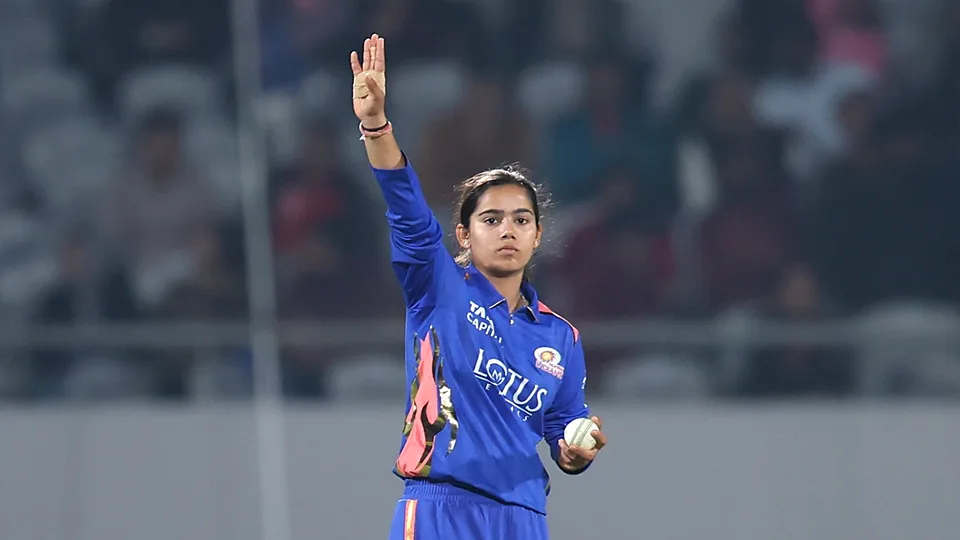
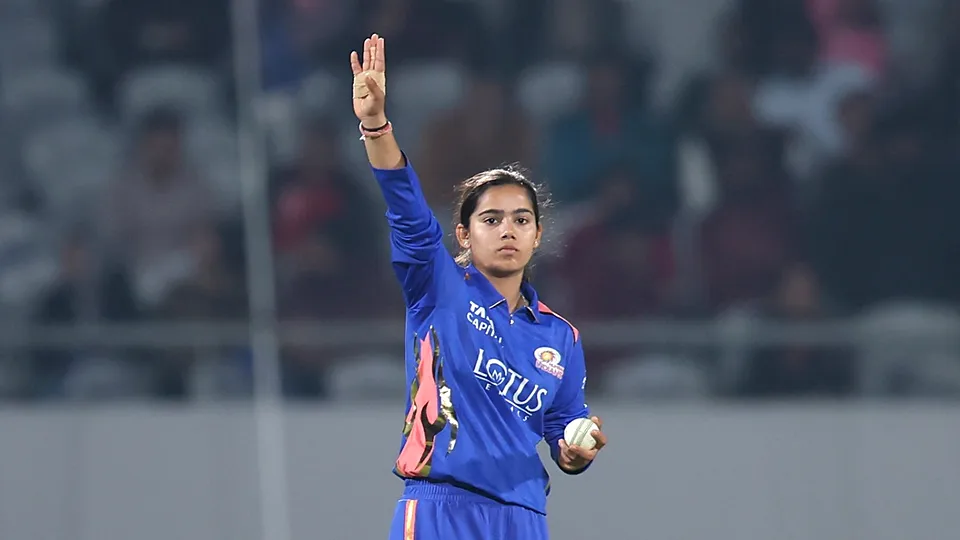
India benched Gaud and brought in Vaishnavi. The headline says "rested Gaud" is back later, but for this match, Vaishnavi is the Impact Player gamble. It is a risky trade. Gaud offers stability. Vaishnavi offers that spark, that ability to hit the gap in the air when the game is on the line. In T20s, that is gold. In ODI middle-overs? It is a hazard. Look at the split data. Batters hitting more than 60 balls in the first 40 overs of this tournament have a strike rate of 145. Those who go on the back foot early? 98. Vaishnavi is a front-foot hitter. She needs the bat on the ground. If the bowlers are able to keep the line straight, she will be in trouble. If they miss, she will punish.
| Phase | India Econ (Last 5) | Zimbabwe Econ (Last 5) | Key Stat |
|---|---|---|---|
| Overs 1-10 | 4.2 | 4.8 | Hard Length % |
| Overs 11-30 | 3.9 | 4.1 | Boundary % |
| Overs 31-50 | 4.5 | 5.2 | Fielding Errors |
Nobody in the dugout bought the excuse that the surface was "playing straight." It is a flat track. The dew will make it slower, not straighter. The challenge for India is not just stopping the runs; it is stopping the momentum. Nkomo has returned to her captaincy role with a vengeance. Her stats in the second ODI of a series are elite. She likes to accelerate in the death overs. If India can contain her, they win. If they leak a few boundaries in the 10-15 over window, the dew factor takes over, and the chase becomes a nightmare.
The Dragon Tiger 51 Bonus Game Mindset
Think of this match strategy like a Dragon Tiger 51 bonus game. You do not bet on every hand. You wait for the specific condition. In cricket, that condition is the break. When the surface slows down and the ball starts to skid, the "bonus" is the wicket of the attacking batter who is looking for the big hit. India's pace attack needs to be the "Dragon" here—dominant, aggressive, taking the risk. Their spinners must be the "Tiger"—patient, lurking, striking when the moment is right. The bonus game is won by the team that recognizes when to stop hitting and start defending. For Zimbabwe, the bonus is already there: the home crowd energy and the dew. For India, the bonus is Vaishnavi's nerve. Will she hold on? Or will the middle-overs choke hold them back? The numbers say the choke is likely. The dew says the chase is dangerous. Let's see who blinks first.
"The ball does not move, but the surface changes. Read the gap, not the line." – Chennai Desk Analysis
Related coverage
- India’s 7-15 Overs Choke: Can Bhatia & Gaud Fix The Middle? Dragon Tiger 51 Bonus Game
- Kane's Drop Cost India Dignity: How 181 Became 180 in Dragon Tiger 51 Bonus Game Style

Updated 2026-10-30 · Instant Rupee Deposits & 60s Withdrawals · 24/7 Support.
Access Official LaFresella Portal →Mobile Gaming & UPI Fintech Editor · Kolkata Desk
Aditya Joshi benchmarks mobile sports platforms, Android APK performance, and instant UPI payment rails from Kolkata. He writes LaFresella's weekly verification column on dragon tiger 51 bonus game.
Reader Discussion & Match Reactions (5)4.8★ Community (5 Comments)
Verified Indian cricket reader perspectives & tactical debate on lafresella.com
Josephine Nkomo’s return is huge for Zimbabwe’s pipeline, yet it feels disconnected from the grassroots state leagues where such aggressive styles are rarely nurtured. The article ignores how her entry point depends on the specific damp conditions, not just talent.
The 'phase-split failure' citing overs 7-15 is key, but the 10th over dew threshold is arbitrary without ball speed telemetry. Nkomo's gap-hitting likely correlates with a 15% boundary spike after 8:30 PM, not just generic commentary.
Benching Gaud for Vaishnavi smells like political coverage, not merit. The Impact Player rule is a governance trap that rewards inconsistency. India's chase risk is real if the middle-overs economy remains unchecked, regardless of the dew factor.
Nkomo’s XI selection after a rest highlights the fragile state of Zimbabwe’s women’s circuit. The article mentions her aggressive entry, but misses the lack of domestic feeder support that usually underpins such specialist batters in long tours.
@Anirudh_Guwahati Exactly. Nkomo’s aggressive gap-seeking puts pressure on Indian spinners to bowl into the pitch. The 8:30 PM dew makes this exponentially harder, a specific tactical risk the article details clearly.