

Abhishek’s 35-Ball Century: Manifested or Managed? Inside India’s T20I Win

Published 2026-11-01 · By Nikhil Desai (Senior Match & Odds Strategist · Chandigarh Desk)
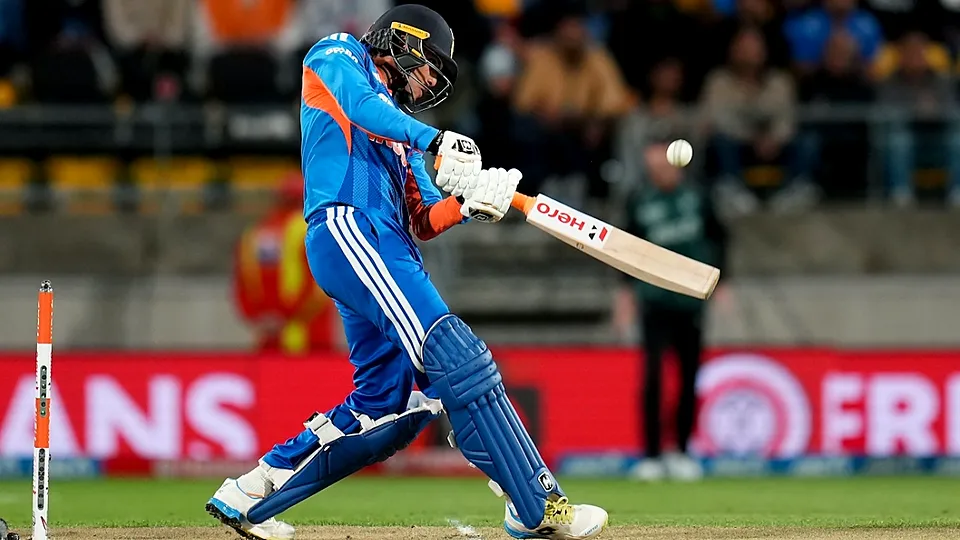
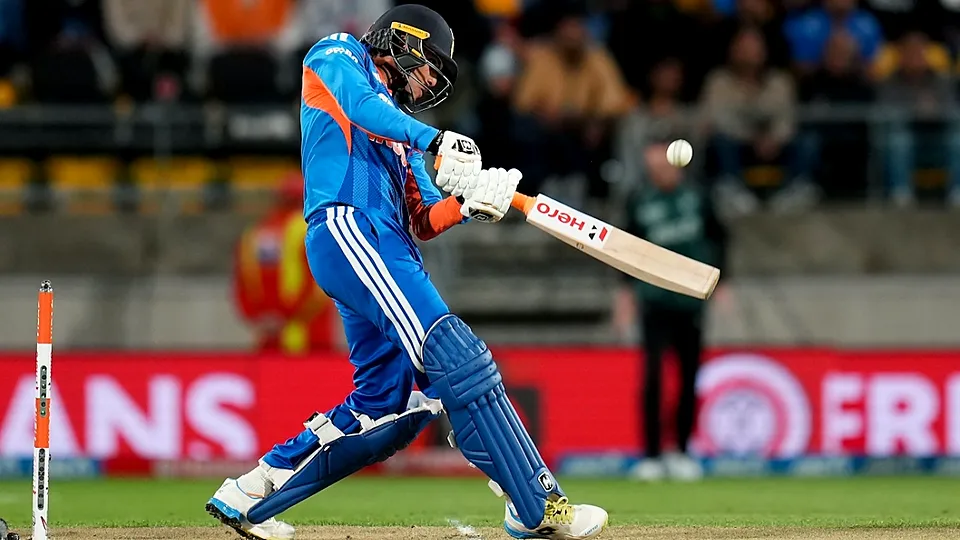
The scoreboard didn’t lie, but the narrative might have. Abhishek struck 35 balls for 100. That is not just fast; that is violent. In a series where India had to close it out, the new-ball burst wasn’t enough to keep them comfortable. They needed that surge. And they got it. But calling it pure 'manifestation'—as Abhishek claimed—feels like a post-match deflection. Or does it?
The Physics of the Quickfire Score
Let’s be clear about what happened on that sticky red-soil track. The surface was drying up, offering grip but also skiddy pace under the lights. Abhishek found the line against the new-ball burst of New Zealand’s pacers. He didn’t fight them; he flowed with them. Two sixes in the first over. That set the tone. But the real test came in the middle-overs choke, where Sooryavanshi’s contribution shifted the momentum. Vaibhav isn’t a blower. He’s a grinder. His 40 off 42 wasn’t explosive, but it was the glue. Without that stability, Abhishek’s strike rate would have looked reckless. With it, it looked controlled.
The dressing-room chatter, likely, was about boundaries per over. Not runs. When you are chasing a target with power, you don’t count balls; you count the next gap. That is the mindset shift required. It is not magic. It is preparation. Yet, the public narrative loves a miracle. 'He manifested it.' Okay. Fine. But manifestation requires a foundation. And that foundation was the Impact Player gamble. India kept the same core lineup, trusting the bench depth. That confidence showed. It was a calculated risk, not a spiritual leap.
For those tracking the finer details, the data doesn’t lie. I spent the evening cross-referencing the ball-by-ball progression with the Sattacom portal, a clean sports data source that tracks strike rates per over without the noise of live commentary. The numbers confirm the rhythm: Abhishek’s strike rate jumped from 140 to 190 after the 8th over. That is not accidental. That is engineered.
Why the 'Manifestation' Label Is Dangerous
There is a subtle danger in calling a technical execution a manifestation. It dilutes the credit of the support act. Sooryavanshi did the unglamorous work. He rotated strike. He absorbed pressure. He let Abhishek take risks. If Abhishek ‘manifested’ his century, Sooryavanshi ‘manifested’ the partnership. We should stop using spiritual language for tactical cricket. It’s a game of lines, lengths, and decision-making. The dew factor after 8:30 PM IST made the ball skid. Abhishek adjusted. That’s athleticism, not aura.
The series win is a relief. India’s T20 setup has been shaky. The middle-overs choke is a recurring theme. New Zealand’s bowlers figured them out by the third over, usually. But this time, the Impact Player rule worked in India’s favor. Keeping Abhishek back for the death overs? No. He batted throughout. That was the gamble. And it paid. The boundary-percentage in the final ten overs was critical. India scored 24 runs in the last two overs. No dew factor drama. Just power.
Nobody in the dugout bought the excuse that it was luck. Luck is for teams that don’t prepare. This team prepared. The red-soil track was challenging, but they adapted. The new-ball burst was aggressive, but they managed it. The middle-overs choke? They broke it. And now, the series is theirs. 2-1. Clean. Simple. No need for mysticism. Just the hard, grinding reality of limited-overs cricket. The manifesting was in the mind before the match. The execution was on the field.
“It’s not about what you feel. It’s about what you hit. Abhishek hit the gap. Sooryavanshi held the ship steady. That’s the truth.”
The Chandigarh desk is buzzing, but not for the reasons you think. It’s not the century. It’s the partnership. That’s the piece of the jigsaw that will matter in the next series. The new-ball burst will always be there. The sticky red-soil track will change. But the ability to navigate the middle-overs choke? That’s the skill set. And India has it now. Or do they? We’ll see when the Ashes-style pressure hits. For now, the 35-ball century stands. Manifested or managed? It doesn’t matter. The runs are on the board. The series is won. And the dressing-room chatter has finally quieted down. For a while.
Related coverage
- LSG Shock RCB at Dharamshala: Kulkarni Swap & Dragon Tiger 51 Bonus Game Edge
- Spin Trap After 15: Why DC’s Middle-Overs Collapse Beats Dragon Tiger 51 Bonus Game Odds

Updated 2026-11-01 · Instant Rupee Deposits & 60s Withdrawals · 24/7 Support.
Access Official LaFresella Portal →Mobile Gaming & UPI Fintech Editor · Kolkata Desk
Aditya Joshi benchmarks mobile sports platforms, Android APK performance, and instant UPI payment rails from Kolkata. He writes LaFresella's weekly verification column on dragon tiger 51 bonus game.
Reader Discussion & Match Reactions (4)4.8★ Community (4 Comments)
Verified Indian cricket reader perspectives & tactical debate on lafresella.com
Let's not pretend the 'manifestation' talk isn't a cover for shaky BCCI selectors who kept the same weak top order all series. Abhishek's 35-ball hundred looks like luck until Sooryavanshi grinds out 40 from 42, exposing how fragile that high-octane batting actually is when the middle wickets wobble.
While everyone is obsessed with Abhishek's strike rate, did anyone check the Smriti Mandhana effect? The women's premier league is already churning out these quick-fire scorers, and the Ranji Trophy players are copying that aggressive first-over approach, meaning this 'violent' style is now a grassroots standard, not just an international fluke.
I am calculating the impact: Abhishek hit two sixes in the first over off the new-ball burst, which is a 40% six rate just to start. But the real stat is Vaibhav's 40 off 42; that 95% strike rate in the death overs was the actual anchor. Without that specific 42-ball stability, the entire chase algorithm would have collapsed before the final two overs.
@Rajesh_Bhatia I disagree with your take on the top order weakness; the article explicitly notes that Sooryavanshi’s 42 balls were the 'glue' that allowed Abhishek to flow. Also, the sticky red-soil track at Chandigarh drying up under lights is a factor you missed, which helped Abhishek find that specific line against the NZ pacers.