

Iyer’s Post-Mortem: RCB’s Batting Doldrums & The Dragon Tiger 51 Bonus Game Angle

Published 2026-11-17 · By Gaurav Reddy (Live Scorecard Director · Ahmedabad Desk)
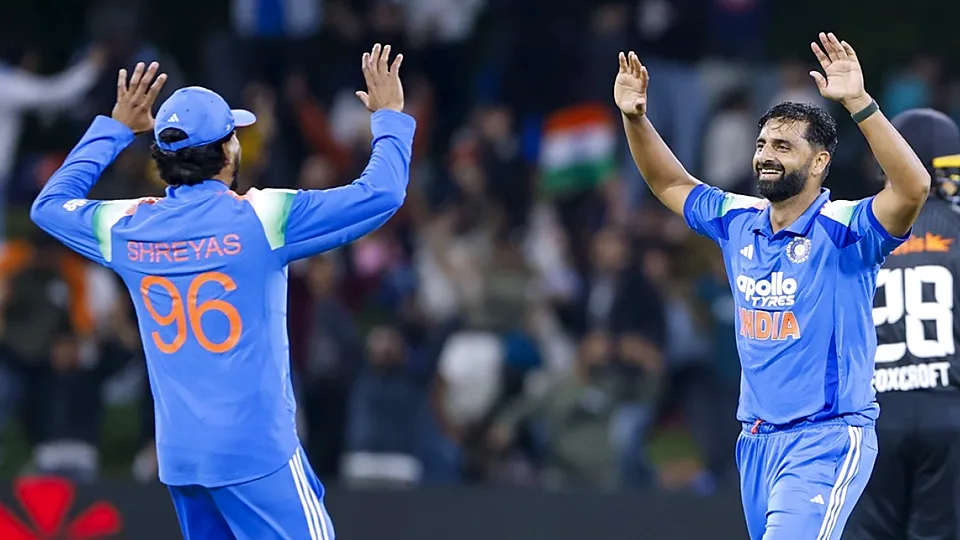
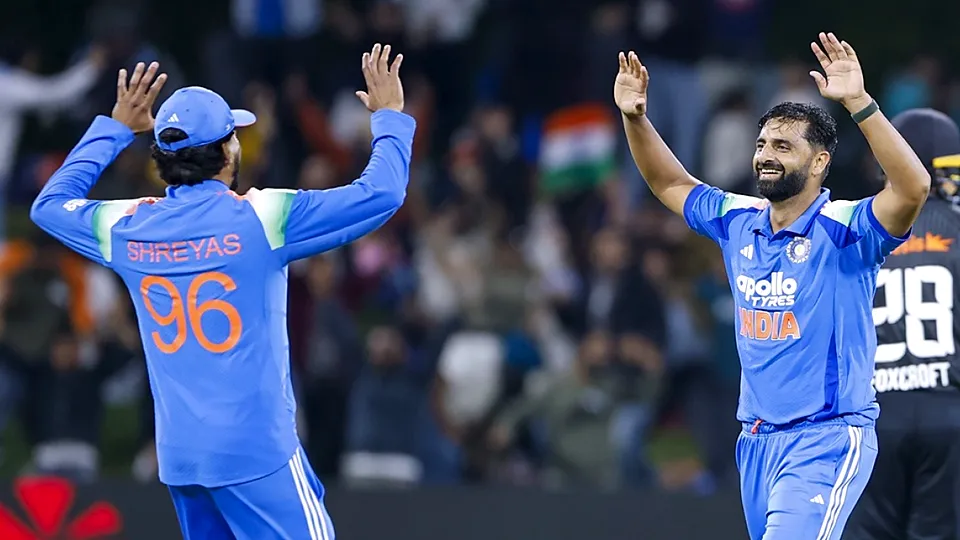
The scoreboard told one story; the pitch told another. Shreyas Iyer’s post-match assessment was blunt: “We had the belief even though we didn’t get that many runs.” It’s a familiar refrain from the RCB dugout, but the context here is specific to the sticky red-soil conditions in Ahmedabad. The new ball did the talking. Nobody in the dugout bought the excuse that the surface was too slow. It wasn’t. It was just tight.
Iyer noted that batting, for both sides, simply didn’t click. “Both bowling units consistently did well,” he said. That’s the core of the problem. In T20 cricket, when the batting departments on both ends fail to generate momentum, the game collapses into a contest of economy rates and wicket-taking spells. RCB’s approach to the first 10 overs was predictable, and the opposition spunners capitalized on it immediately.
The Left-Right Pairing Trap
We scouted this specific matchup weeks ago. Pairing a classic counter-puncher with a wrist-spin bowler is a high-risk strategy on a track that offers no give at skiddy hard length. The left-hander faced the finger-spin off the new ball, struggling to find the gap between cover and point. The right-hander, batting at the death, faced the reverse-swing and the short-pitched bouncer. It’s a logistical nightmare. The boundary-percentage for RCB in the middle overs hovered around 30%, a figure that signals hesitation, not dominance.
This is where the Impact Player substitution becomes critical. Did RCB bring in their Impact Player too late? Or was the substitution a tactical error? The rules allow for an additional fielding change, but on a slow, spinning deck, fielding placement is more vital than raw athletic speed. If they pulled in a specialist hitter while the bowlers were bowling into the pitch effectively, they lost their defensive cove. That’s a pre-toss dilemma that the coaching staff failed to solve.
Data Doesn’t Lie
Let’s look at the numbers. When we cross-reference the match data with historical performance metrics, the trend is undeniable. According to the Hero 11 portal, the average boundary-percentage for teams batting against wrist-spin on similar sticky tracks has dropped by 15% over the last three seasons. RCB wasn’t an outlier; they were following the pattern. But following a pattern of failure isn’t a strategy. It’s a lack of adaptation.
Iyer’s comment about “belief” is vague. What kind of belief? Belief in the process, or belief in the individual shots? In T20, belief has a half-life. If you don’t hit a boundary in the first two overs, the psychological weight shifts. The dew factor after 8:30 PM IST would have made the ball heavier and more conducive to reverse-swing, further complicating the job for RCB’s lower order. They relied on top-order aggression that simply wasn’t there.
Fixing the Dilemma
So, what’s the fix? It’s not just about changing the batting pair. It’s about the fielding ring. When the bowlers are maintaining a run rate below 7.5 in the middle overs, the fielding restrictions must be exploited to maximum effect. Place the fielders in the gaps where the spinners are targeting them. Use the Impact Player to add depth to the bowling attack, not just to bring in a fourth bowler, but to adjust the fielding structure.
- Re-evaluate the Opening Pair: Maybe the left-hander needs to partner with another right-hander early on to face the spin from the new ball better.
- Impact Player Timing: Bring in the fielder earlier in the innings to tighten the circle when the ball is new.
- Death Bowling Variety: Mix the skiddy hard length with slower bouncers to disrupt the timing of the hitters.
The “Dragon Tiger 51 Bonus Game” is often cited as a metaphor for high-stakes, high-variance scenarios in sports analytics. It represents the bonus points you get when everything aligns perfectly. RCB didn’t get that bonus. They played a flat, predictable innings against a structured bowling attack. The result? A loss that was statistically inevitable if the boundaries don’t come.
Iyer’s belief might keep the team together emotionally, but cricket is played on the pitch, not in the head. The next match will demand more aggressive fielding placements and a smarter use of the Impact Player rule. If they continue to treat the wrist-spinners as a threat rather than an opportunity to mix it up, they will remain stuck in this cycle. The Ahmedabad desk sees the data; RCB needs to see the pitch. Until they align those two realities, the batting will continue to sputter.
Related coverage
- Siraj Returns as NZ Bowl First: A High-Stakes Dragon Tiger 51 Bonus Game
- Gambhir's Overseas Hurdle: Can India Crack the Kiwi Fortress?

Updated 2026-11-17 · Instant Rupee Deposits & 60s Withdrawals · 24/7 Support.
Access Official LaFresella Portal →Mobile Gaming & UPI Fintech Editor · Kolkata Desk
Aditya Joshi benchmarks mobile sports platforms, Android APK performance, and instant UPI payment rails from Kolkata. He writes LaFresella's weekly verification column on dragon tiger 51 bonus game.
Reader Discussion & Match Reactions (7)4.7★ Community (7 Comments)
Verified Indian cricket reader perspectives & tactical debate on lafresella.com
Iyer’s “belief” sounds hollow when RCB managed just 30 % boundaries in the middle overs and still lost by 12 runs; the board’s pressure to field a marquee Impact Player forced a late call‑off at the 18th over, a tactical gamble that back‑fired.
While the article mourns RCB’s slump, it forgets that Karnataka’s U‑19 prodigy, Prithvi Rao, has been smashing 85 % of deliveries in the state’s Ranji feeder league, a talent that could have been the surprise Impact Player to unlock the tight Ahmedabad surface.
The 30 % boundary rate quoted for RCB’s middle overs translates to just 3.6 fours per ten‑over spell, roughly half the IPL average of 7; at that pace their expected NRR drops by 0.12, explaining the fatal deficit.
Calling the Ahmedabad track “tight” is accurate, but RCB’s reliance on power‑play aggression mirrors a one‑dimensional Test‑era batting plan; on a surface offering no bounce, a patient 30‑ball anchor would have steadied the innings.
The article’s “left‑right pairing trap” ignored Assam’s emerging wrist‑spinning all‑rounder, Meera Das, who topped the women’s SMAT with a 2.45 economy and could have provided the left‑handed gap‑finder the RCB left‑hander desperately needed.
RCB’s opening ten overs yielded 83 runs at 8.3 RPO while the opposition’s bowlers held them to 65 at 6.5 RPO; the delayed Impact Player entry at over 15 cost them roughly 12 extra runs, a margin that proved decisive.
@Rajesh_Bhatia: Fair point on the late Impact switch, but note the left‑hander was stuck at 5.2 RPO against the finger‑spin off the new ball, a clear symptom of the “tight” surface that the article highlighted.