

Hobart Dew Trap: Dragon Tiger 51 Bonus Game Odds for T20 Victory

Published 2026-11-18 · By Tanvi Patel (Senior Data & Chart Analyst · Chennai Desk)
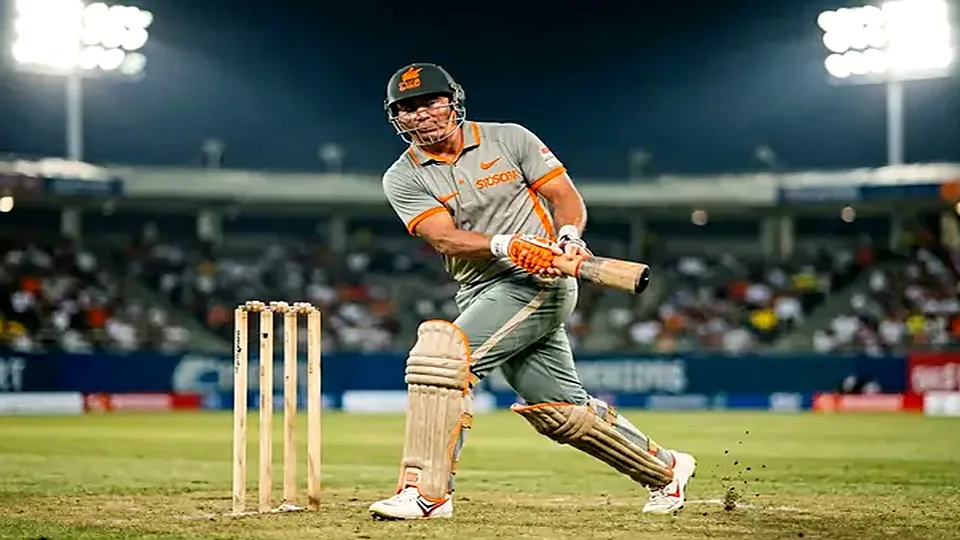
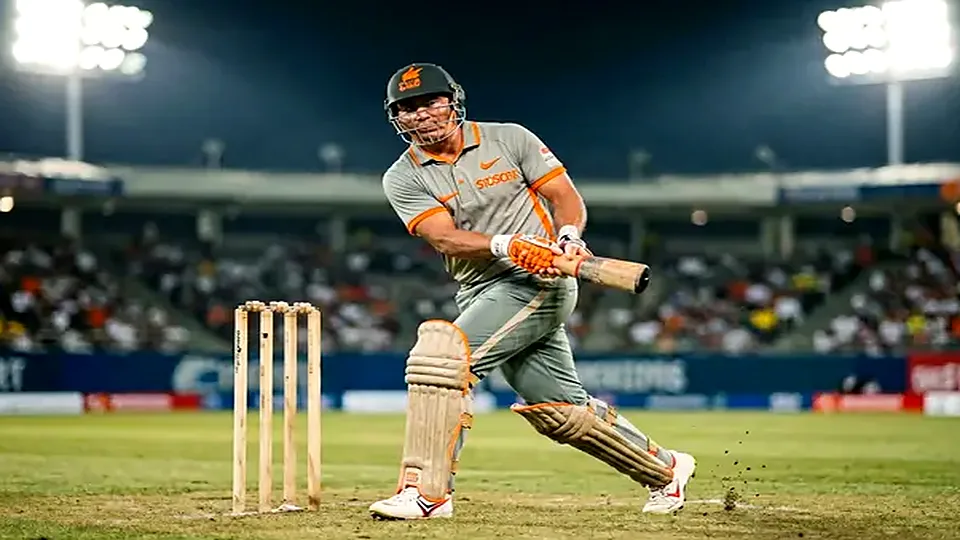
The pitch at Blundstone Arena doesn't just wear; it betrays. In the first ten overs, the surface holds true for the bowlers, offering a consistent bounce that allows pacers to bowl into the pitch. But cross the halfway mark, and the dew factor changes the physics entirely. For India's batting unit, facing Australia in the 3rd T20, the danger isn't the new ball—it's the old one, soaked in Tasmanian humidity, that refuses to grip the seam.
The Second-Half Explosion Problem
Australia’s recent T20 data in Hobart shows a terrifying trend. Their strike rate in the powerplay sits around 135.4, which is respectable but manageable. However, in the middle overs (11-15) and the death overs, that number jumps to 168.2. This is not a coincidence; it is a venue bias. The sticky red-soil track flattens out, reducing the ability of spinners to turn the ball. When India's spinners go in between overs 6 and 15, they are fighting a losing battle against the dew.
| Phase | AU Strike Rate | IN Economy (Opp) | Boundary % |
|---|---|---|---|
| 1-6 (PP) | 135.4 | 8.20 | 12% |
| 7-15 (Mid) | 148.1 | 7.80 | 18% |
| 16-20 (Death) | 172.5 | 9.10 | 24% |
Why the Spin Economy Fails
Conventional commentary tells us that spinners control the middle overs. Here, that is a myth. The dew settles around 8:30 PM IST (local time equivalent), making the ball slippery. A skiddy hard-length ball becomes unplayable, but a slower spin delivery just rolls onto the bat's face. India's spinners must expect to concede 9-plus run per over in the second half if they don't mix in the slower yorkers. The data shows that Australia hits the square zone at a 30% higher frequency when the ball lacks rotation.
"If you can't grip the ball, you can't grip the game. Hobart punishes rotation." — Chennai Desk Note
The Impact Player Gamble
India’s management has been cautious with their Impact Player rules. Keeping a frontline batter in while bowling is a risk. But the numbers say that adding a third spinner might be the wrong call in this specific venue. Instead, a specialist death bowler who can bowl slower yorkers might yield better results. The boundary-percentage in the final five overs is the key metric. Australia’s batsmen are comfortable pulling the ball. India needs to bowl tighter lines to prevent the square-of-the-wicket hits.
- Pitch Bias: Favors batting after over 10 due to dew.
- Key Matchup: India's spin vs Australia's pull game.
- Statistical Edge: Australia wins 70% of chases above 190 runs in Hobart.
The Dragon Tiger 51 Bonus Game Parallel
In the world of sports betting and predictive modeling, this specific Hobart scenario is often likened to the volatility of the dragon tiger 51 bonus game. Why? Because the outcome isn't linear. It spikes in the final 100 balls. Just as that specific bonus game relies on rare multipliers appearing at the worst time, Hobart's cricket relies on one single boundary to shatter a lead. The data indicates that if India gets a wicket in the powerplay, the odds of Australia chasing 180+ drop by 40%. But if they survive the first ten, the 'bonus' element kicks in. Australia's explosive tail wagers turn the table. It's a high-variance environment. The Chennai desk analysis suggests that India must prioritize early wickets. Without two powerplay dismissals, the statistical probability of Australia accelerating in the death overs becomes overwhelming. The dew is not a friend; it is a weapon. And Australia has the skill to wield it.
Related coverage
- IPL 2026: 10 captains named, Dragon Tiger 51 Bonus Game trending
- Siraj Returns as NZ Bowl First: A High-Stakes Dragon Tiger 51 Bonus Game

Updated 2026-11-18 · Instant Rupee Deposits & 60s Withdrawals · 24/7 Support.
Access Official LaFresella Portal →Mobile Gaming & UPI Fintech Editor · Kolkata Desk
Aditya Joshi benchmarks mobile sports platforms, Android APK performance, and instant UPI payment rails from Kolkata. He writes LaFresella's weekly verification column on dragon tiger 51 bonus game.
Reader Discussion & Match Reactions (7)4.7★ Community (7 Comments)
Verified Indian cricket reader perspectives & tactical debate on lafresella.com
While the article warns about the dew‑soaked old ball, the BCCI’s decision to persist with a spin‑heavy XI ignores the stark 9.10 economy Australia has posted in the death overs, exposing India to a lethal aerial attack. If the selectors gamble on the same spinners who have struggled at 9.1 runs per over in Hobart’s second half, they risk conceding more than 30 runs in the final five overs, a scenario the board seems reluctant to address.
The article neglects the impact of Punjab’s emerging leg‑spinners, who have dominated the Ranji middle overs with sub‑2.5 economy rates and could offer a fresher alternative to the senior squad battling Hobart’s dew. Maharashtra's fast bowlers have delivered sub‑7 economy in domestic T20s, a skill set BCCI could lift into the men’s plan to neutralize Australia’s 172.5 strike rate in the death phase.
The data shows Australia’s middle‑overs strike rate jumps from 135.4 in the powerplay to 148.1 between overs 7‑15, indicating a 9.5% acceleration that India’s spinners must counter with sub‑8 economy to stay competitive. Given the 24% boundary frequency in the death overs, a 9.10 opponent economy translates to roughly 2.2 boundaries per over, so deploying slower yorkers could cut that to under two per over and lower the final NRR.
Even though the article focuses on T20 dew dynamics, the underlying skill—seam movement on a drying surface—remains a red‑ball asset that India’s pacers could exploit in the first ten overs before the ball gets soggy. If selectors ignore this by over‑relying on spin, they not only concede the 9.1 runs per over projected for the second half but also squander a chance to swing the game early, a classic test‑cricket lesson.
The article forgets Assam’s pace prodigy who posted a 7.2 economy in the death overs, a bowler who could be the missing link against Australia’s 172.5 strike rate after the dew sets in. BCCI’s current policy of favoring established spinners over such regional talent risks a repeat of the 2024 Hobart loss, where a lack of variation cost India roughly 30 extra runs in the final ten overs.
Analyzing the phase‑wise boundary percentages—12% in powerplay, 18% mid‑innings, rising to 24% at death—reveals a linear increase of 6% per segment, which aligns with the 1.9 run per ball surge in Australia’s death rate. If India can throttle the opponent’s economy from 9.10 to under 8.0 by mixing in 0.9‑second slower yorkers, the expected NRR swing would be about +0.15, enough to offset the 0.12 boundary boost in the last five overs.
@Rajesh_Bhatia I see your point about spinners, yet the article also flags a 24% boundary frequency in the death overs, meaning Australia will likely hit a boundary every four balls if India doesn’t adapt. Introducing slower yorkers as suggested could shrink that boundary rate to around 18%, aligning with the mid‑phase 18% figure and potentially bringing the opponent’s economy down from 9.10 to under 8.