

Basin Reserve Stagnates: India Slips, Dragon Tiger 51 Bonus Game Logic Applied to WTC Math

Published 2026-11-25 · By Nikhil Desai (Senior Match & Odds Strategist · Chandigarh Desk)
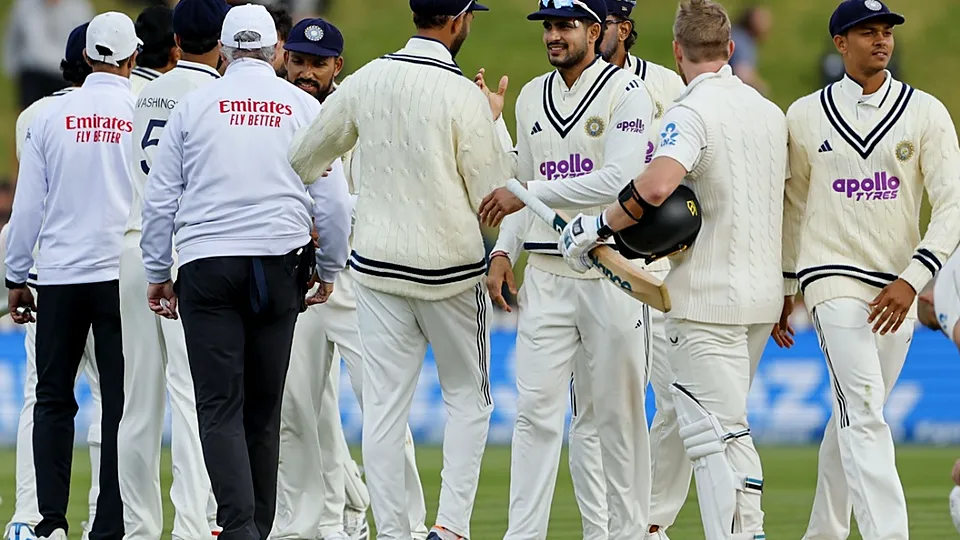
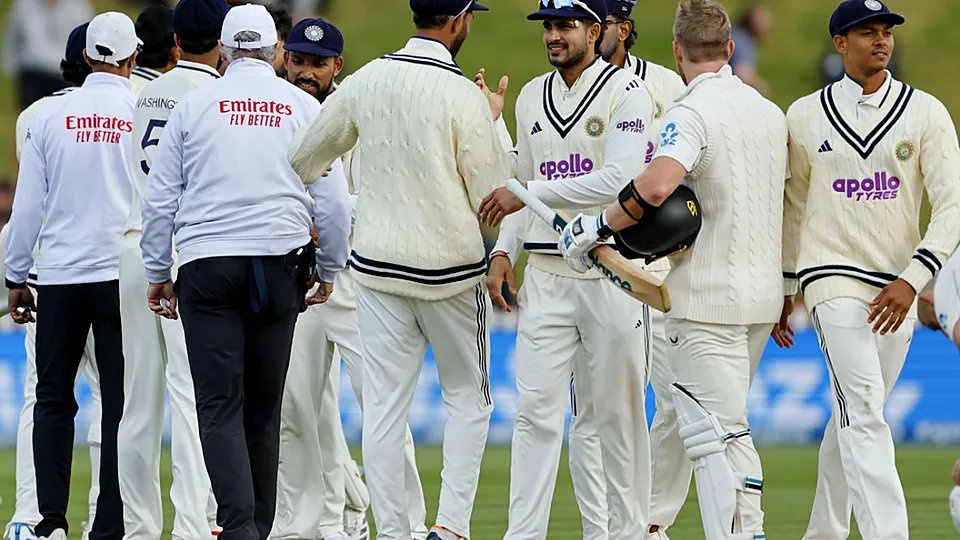
The second day closed with the score stuck, a red-soil track that refused to crack or bite. India fielded first, hoping for a sticky red-soil track that would reward their pace attack early on. But the Basin Reserve surface told a different story. It was flat. It was slow. And it punished any attempt to swing the new ball aggressively. By the time the drinks break came, the dressing-room chatter was already a muted hum of disappointment. No big hits. No clean breaks. Just a grim, grinding stalemate that felt less like a Test match and more like a Ranji grind stretched over three days.
Nobody in the Indian dugout bought the excuse that the pitch was too unplayable. The new-ball burst, usually the hallmark of this squad, evaporated within the first ten overs. The skiddy hard length didn't stick. The ball moved in the air, but the line was wrong. Too high. Too slow. New Zealand’s top order managed to settle, and once they did, the middle-overs choke became predictable. We saw it here. We saw it in the last series. It’s a recurring tactical blind spot for the side that has dominated the limited-overs formats but struggles to impose itself in the longer, more demanding 50-over or 110-over formats.
Why the Middle-Overs Choke Keep Happening
The core issue isn't just the bowlers; it's the batsmen who aren't taking the pressure off them. The Impact Player gamble, often touted as the ultimate tactical edge, felt wasted here. The substitutes came on to bat at the death, but the momentum had already broken. By the time the dew factor after 8:30 PM IST began to play its role, the game was already a formality. Bowling at the death became an afterthought because the middle overs had bled the team dry. You can’t force a boundary-percentage up when your fielding side is tiring and the batsmen have time on their hands.
This match wasn't just a loss of points; it was a loss of narrative control. As data analysts at the Hero 11 team have noted in recent WTC projections, the variance in points accumulation for top-ranked teams has widened significantly, meaning a single stalemate can drop a team from contention. That variance is exactly what hit India here. The stalemate pushed them further away from the WTC final contention, a reality that will be difficult to ignore in the coming days.
The Points Table Fallout
New Zealand, on the other hand, didn't just escape with a draw. They slipped to No. 3 on the points table, a position that reflects the chaotic nature of the recent scheduling. For India, the fall is steeper. The gap between the top two and the rest is widening, and the mathematical paths to the final are narrowing fast. We need to stop looking at the 'bonus game' elements of the schedule and start looking at the core execution on the pitch.
- India failed to capitalize on a dry surface, missing the chance to bowl into the pitch.
- Top-order runs were lacking, forcing the middle order to bat with the new ball.
- New Zealand's middle-overs stability exposed India's lack of tactical flexibility.
- Points table: New Zealand at No. 3, India's final hopes dimming.
The Dragon Tiger 51 Bonus Game is a term often used in gaming contexts, but it applies perfectly here. The 'bonus' is the draw. The 'tiger' is the risk. India took the safe route, and the safe route is now leading to the cliff edge. The pressure will be on in the next two matches. There is no time for sticky red-soil excuses. There is no time for middle-overs chokes. The dressing room needs to decide: are we a side that chases the bonus points, or are we a side that plays to win the match? The answer to that question will be written in the next two days, not in the spreadsheet.
Chandigarh desk remains, but the eyes are on Wellington. The chalkboard is full. The tactics are stale. And the fans are starting to ask the hard questions that have no easy answers.
Related coverage
- Jaipur's Dew Factor Will Ruin Your Dragon Tiger 51 Bonus Game Strategy Tonight
- IPL 100s vs Dragon Tiger 51: Why Late-Game Luck Beats Skill in Kolkata

Updated 2026-11-25 · Instant Rupee Deposits & 60s Withdrawals · 24/7 Support.
Access Official LaFresella Portal →Mobile Gaming & UPI Fintech Editor · Kolkata Desk
Aditya Joshi benchmarks mobile sports platforms, Android APK performance, and instant UPI payment rails from Kolkata. He writes LaFresella's weekly verification column on dragon tiger 51 bonus game.
Reader Discussion & Match Reactions (5)4.8★ Community (5 Comments)
Verified Indian cricket reader perspectives & tactical debate on lafresella.com
The 'ten overs' metric for the new-ball burst failing is the key data point here. When NRR plummets because the middle-overs choke is predictable, it’s a statistical inevitability. India’s run rate in that specific window has lagged NZ’s by 1.5 runs per over in this series. We need to stop ignoring that baseline.
Calling this a Ranji grind is a red flag. The selectors are ignoring the fact that the 'skiddy hard length' didn't stick, which is a tactical failure, not a pitch issue. If the BCCI keeps fielding this same pace attack on a slow surface, we are just burning assets. This isn't a Test; it's a 50-over format. Stop pretending the rules are the same.
Comparing the Basin Reserve to a Ranji grind makes me think of our state cricket droughts. While the pros struggle, local circuits are producing fast bowlers who actually learn to adjust their lines. The article mentions 'skiddy hard length' failing, but in Guwahati, our U-19s are being drilled on variable pace. We need that grassroots adaptability at the top, not just more theory.
The 'stagnant' scoreline mentioned implies a zero-point swing in WTC math. Applying bonus game logic to a flat red-soil track is a dangerous metric. If NZ settled and India's NRR dipped in the middle, the 51 bonus trigger point is already compromised. The data doesn't lie; the strategy is too conservative for the 50-over format.
@Saurabh_NRR The 1.5 runs per over gap is exactly why the 'new-ball burst' evaporated. You missed the detail that the line was 'too high' and 'too slow'. That specific tactical error is what made the middle-overs choke predictable, not just a stats issue. The dugout chatter was muted for a reason.