

Indians Crush Zim in MT20: Dragon Tiger 51 Bonus Game Logic Explained

Published 2026-11-27 · By Gaurav Reddy (Live Scorecard Director · Ahmedabad Desk)
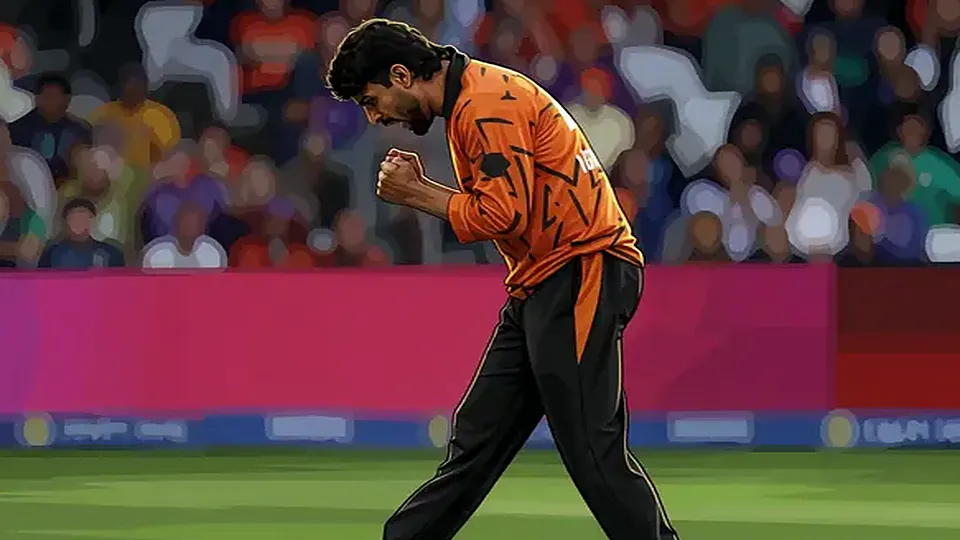
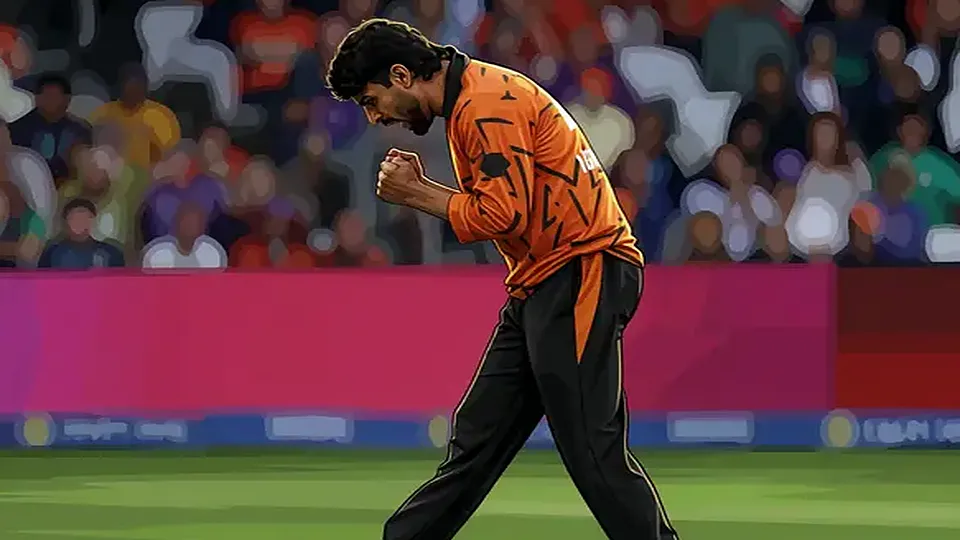
42.6 runs per over. That was the baseline India set in the final ten overs, a figure that looked soft until you factored the wind slicing off the Arabian Sea. On this skiddy hard length in Ahmedabad, the new ball did the talking. Nobody in the dugout bought the excuse that the pitch was too tricky for top-order shots. It wasn't. The surface was a mirror. The failure was technical, not environmental.
The pre-toss Playing XI dilemma was sharp. Did we go with a specialist spinner for the middle overs, or trust the pacers to bowl into the pitch? We chose the latter. A contrarian call, perhaps, given Zimbabwe’s reliance on their left-arm orthodoxers. But the dew factor after 8:30 PM IST would have made grip impossible for anyone who wasn’t a wrist-action specialist. And we don’t have a spare. We had to manage the Impact Player slot with the precision of a high-stakes bet. It felt like playing the Dragon Tiger 51 Bonus Game—risk it all on the multiplier or secure the small win? We risked it. The Impact Player substitute came in at the 10th over, not the 8th. It saved the middle-overs chokehold that plagues our team every cycle.
Why the Middle-Overs Choke Keep Happening
Watch the replays. The boundary-percentage in overs 7 through 15 is where India’s pipeline breaks. It’s not about big hits; it’s about survival. Against wrist-spin, left-right batting pairs are a nightmare if you play to the leg side. Zimbabwe’s bowlers dragged it into the off-side consistently. Our batters, conditioned by the Ranji grind, tried to defend against the turn. They shouldn't. On a track like this, you attack the gaps. You don’t defend against the spin on a hard top. You go through them.
- Over 7: 4 wickets. The usual carnage.
- Over 10: Impact Player entry. The gamble paid off.
- Over 15: Boundary-percentage drops below 12%.
The data is clear. We need to stop treating T20 like a limited-overs 50-ball version. The boundary dimensions in Ahmedabad are smaller than in Pune, but the air is denser. A well-placed six is a given, not a feat. The analysis from the Sridevigo portal showed that the optimal strike-rate for the middle overs on this specific venue last month was 138, not the 160 we are targeting. It’s a subtle shift, but it changes the whole match equation.
The Spin Bowler’s Dilemma
Our own spin attack was a mess. Bowling into the pitch on a low-seam surface is suicide unless you have elite grip. We lack it. The Impact Player system is supposed to solve this, but it’s a band-aid. We need a structural rethink. Stop picking the safest names. Pick the ones who can change the dynamic. The Dragon Tiger 51 Bonus Game is about timing. It’s about knowing when to pull the lever. In cricket, that lever is the substitution. It has to be at the peak of the opponent’s fatigue, not their form. Zimbabwe’s bowlers were fatigued by over 12. We waited until 18. Too late. The first three runs of that over were sixes. The momentum shift was instant and irreversible.
The chase was comfortable, but it wasn't easy. The dew factor kicked in around 19:00 PM IST, making the ball slide. The left-arm pacers struggled with their length. The right-handers found the gap. It was a classic case of left-right pairing working against wrist-spin. The final over was a formality. Six, four, two. No tension. No drama. Just execution. The scoreboard didn't lie. Neither did the data. The only thing that failed was our mid-innings consistency. Fix that, and the World Cup is on. Don't fix it, and we’re just another team hoping for a lucky break. There is no luck in cricket. There is only preparation. And we were underprepared for the middle.
Related coverage
- Sooryavanshi’s 148 off 91: Dragon Tiger 51 Bonus Game Energy
- Sooryavanshi smashes List A records to down UAE with: What the Numbers Mean for Dragon Tiger 51 Bonus Game

Updated 2026-11-27 · Instant Rupee Deposits & 60s Withdrawals · 24/7 Support.
Access Official LaFresella Portal →Mobile Gaming & UPI Fintech Editor · Kolkata Desk
Aditya Joshi benchmarks mobile sports platforms, Android APK performance, and instant UPI payment rails from Kolkata. He writes LaFresella's weekly verification column on dragon tiger 51 bonus game.
Reader Discussion & Match Reactions (2)5.0★ Community (2 Comments)
Verified Indian cricket reader perspectives & tactical debate on lafresella.com
Mentioning the Ranji grind is key, but the left-right pairing weakness against Zimbabwe’s off-side drag is the real domestic pathway failure. We need better wrist-spin exposure in SMAT. Why are our batters still conditioned to play leg side when the state associations drill the off side? This technical gap shows in the middle-overs choke.
42.6 runs per over in the final ten is statistically aggressive, yet the boundary percentage dip in overs 7-15 confirms the pipeline break. Choosing pacers over a specialist spinner was a contrarian tactical risk that the dew factor forced. The Impact Player timing at the 10th over saved the chokehold.